What Is Product Gamification? A Strategic Guide for SaaS Teams in 2026
Engagement without direction is noise. Many SaaS products add points, badges, or streaks hoping to “make things fun.” The result is often superficial activity rather than meaningful progress. True product gamification is not decoration. It is a behavioral design strategy engineered to accelerate activation, reinforce value, and reduce churn.
For B2B SaaS teams, gamification is most powerful when it is tied to measurable outcomes like Activation Rate, Time-to-Value (TTV), Feature Adoption Rate, and Month-1 Retention. It should push users toward milestones that correlate with long-term success.
This guide breaks down how to implement gamification strategically. Each section connects mechanics to SaaS metrics, practical examples, and implementation steps. The goal is not to make your product a game. It is to make progress visible and value tangible.
A simple rule of thumb
If the mechanic doesn’t move users toward a real value milestone, it’s decoration. Use gamification to reduce uncertainty, highlight progress, and reinforce the behaviors that predict retention.
1. Milestone-Based Progress Systems
Milestone-based systems make advancement explicit. Instead of leaving users to explore randomly, you define clear checkpoints tied to meaningful outcomes.
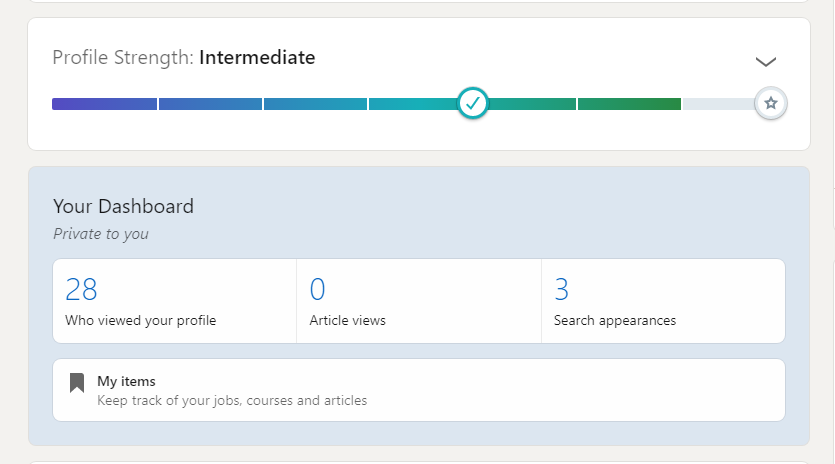

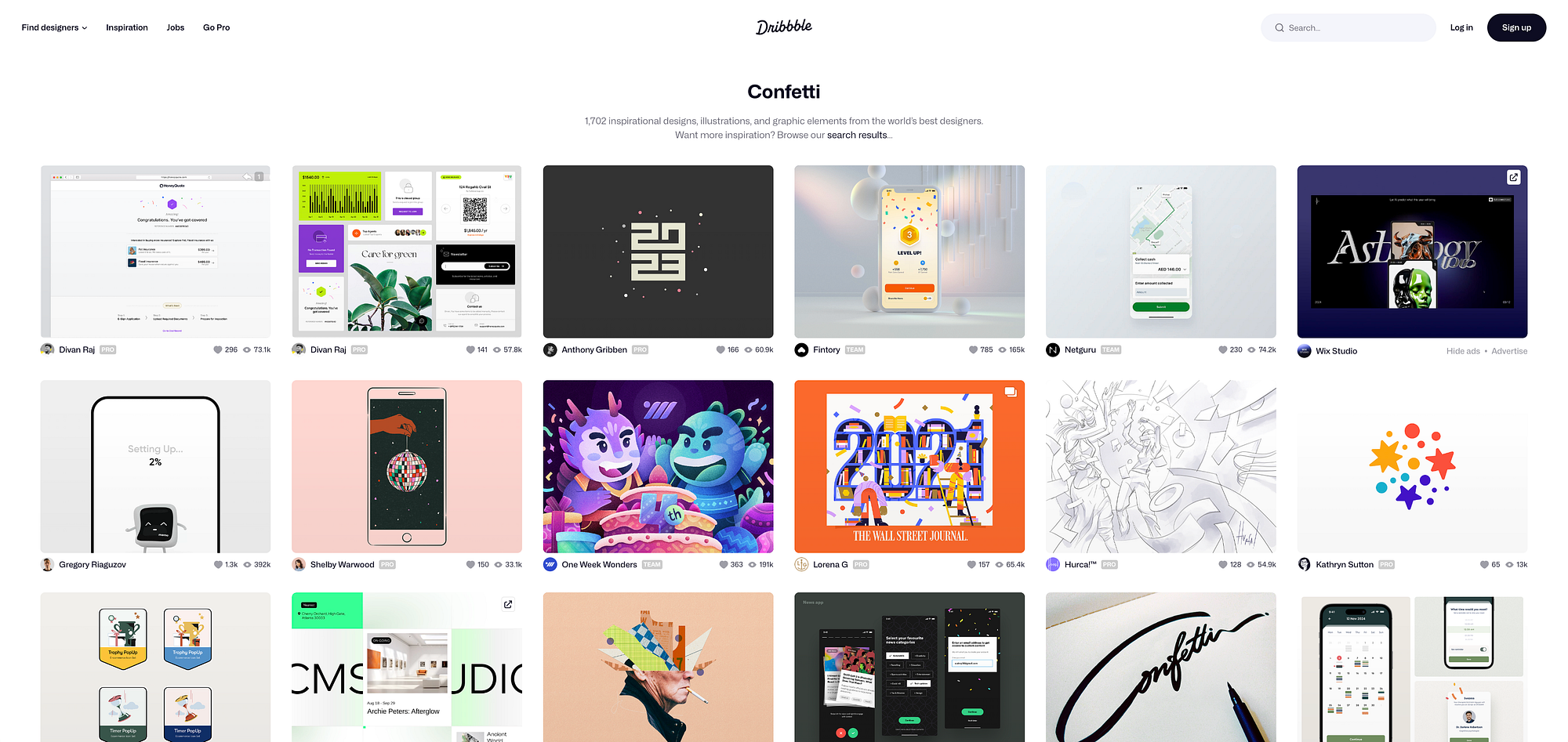
These systems often include:
- Setup checklists
- Completion percentages
- Activation badges
- “Fully Configured” states
The key is clarity. Users should always know what “done” looks like.
Why It Works for SaaS
Milestone systems directly increase Activation Rate. When users can see what remains, they are significantly more likely to complete onboarding flows. Products that implement visible setup progress commonly see a 15–30% lift in activation completion.
A Practical Example
A B2B analytics tool identifies three actions that predict retention:
- Install tracking snippet
- Connect data source
- Create first dashboard
Instead of presenting these as optional steps, the product shows:
“Activation Progress: 2 of 3 Completed”
Completion unlocks a “Fully Activated” badge and removes onboarding prompts. This simple visibility increases full activation rates and shortens Time-to-Value.
Implementation Section
- Identify 2–4 activation events correlated with retention.
- Create a persistent progress component in the dashboard.
- Show percentage completion and remaining actions.
- Celebrate completion with a lightweight visual confirmation.
- Track activation completion against retention cohorts.
Measuring Success
- Primary Metric: Activation Rate
- Business Metric: Month-1 Retention
- Secondary Metric: Time-to-Activation
Milestone visibility transforms onboarding from exploration into momentum.
2. Behavioral Streaks and Habit Reinforcement
Streak systems reward consistency rather than one-time actions. They encourage repeated engagement during the critical early lifecycle window.
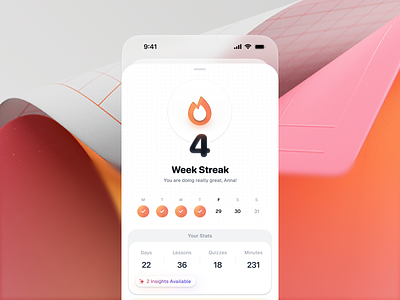


Common implementations include:
- “7-day active streak”
- Weekly usage summaries
- Consistency badges
- Reminder nudges when streaks are about to break
Why It Works for SaaS
Consistent early usage strongly correlates with lower churn. Reinforcing daily or weekly activity improves Early Engagement Rate, which directly impacts retention.
A Practical Example
A reporting tool finds that users who log in 4 times in their first week are 60% less likely to churn.
They introduce:
- A visible “Weekly Activity Streak”
- An email reminder if no login occurs for 48 hours
- A completion badge for 5 active days
Result: Increased Week-1 Engagement and reduced early churn.
Implementation Section
- Identify the minimum engagement frequency correlated with retention.
- Surface streak tracking in a visible UI location.
- Trigger reminder nudges before inactivity compounds.
- Avoid punishing resets; encourage restart instead.
- Analyze churn differences between streak achievers vs non-achievers.
Measuring Success
- Primary Metric: Week-1 Engagement Rate
- Business Metric: 30-Day Retention
- Secondary Metric: Average Active Days in Trial
Streaks work when they reinforce genuine product value, not vanity usage.
3. Guided Challenges and Feature Discovery Quests
Feature adoption often stalls because users do not know what to try next. Guided challenges turn exploration into structured progression.
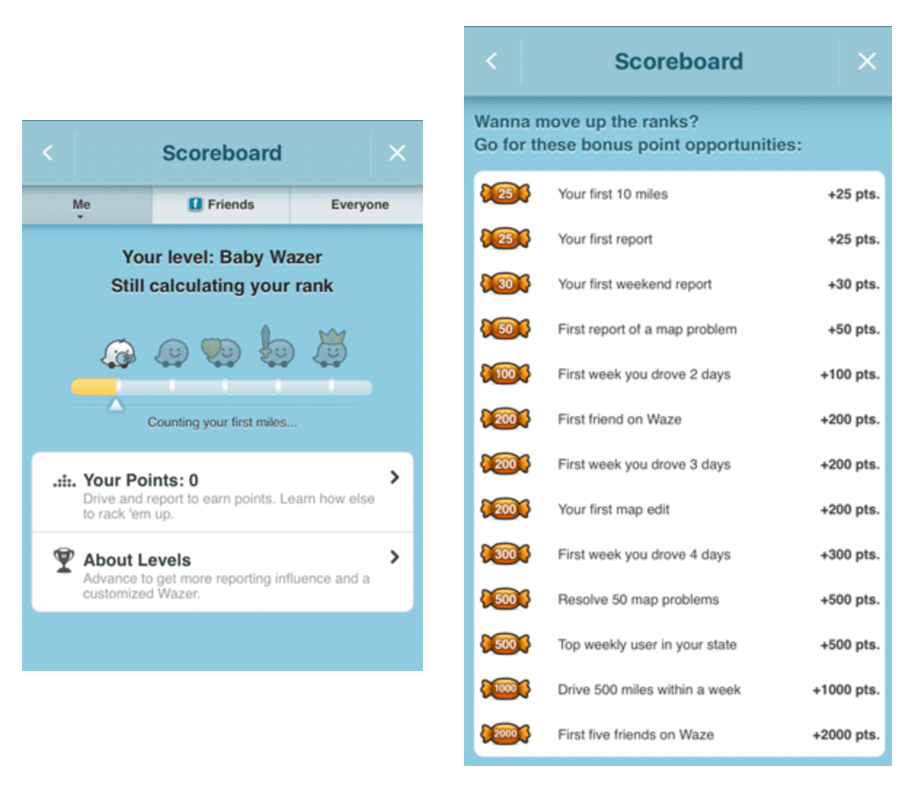


Examples include:
- “Complete your first automation”
- “Invite 3 teammates”
- “Launch your first campaign”
These challenges push users toward behaviors linked to expansion or retention.
Why It Works for SaaS
Structured challenges increase Feature Adoption Rate, especially for secondary features that deepen product stickiness.
A Practical Example
A collaboration SaaS finds users who invite at least two teammates are twice as likely to convert.
They implement:
- A “Collaboration Challenge”
- Progress tracker: 0/2 teammates invited
- Bonus unlock: Access to shared templates
The challenge reframes invitation as progress, not setup friction.
Implementation Section
- Identify stickiest features tied to retention.
- Package those actions into optional but visible “challenges.”
- Provide contextual guidance within each step.
- Offer meaningful unlocks (not artificial rewards).
- Measure adoption lift against a control group.
Measuring Success
- Primary Metric: Feature Adoption Rate
- Business Metric: Trial-to-Paid Conversion Rate
- Secondary Metric: Expansion Revenue (if applicable)
Guided challenges reduce friction by clarifying what “next” looks like.
4. Achievement Recognition and Social Proof Loops
Recognition systems provide acknowledgment when meaningful milestones are reached.
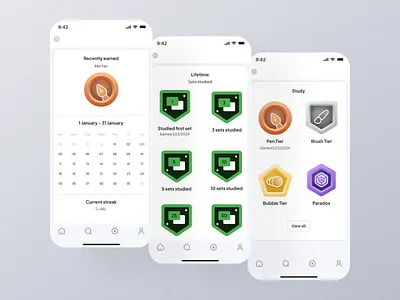
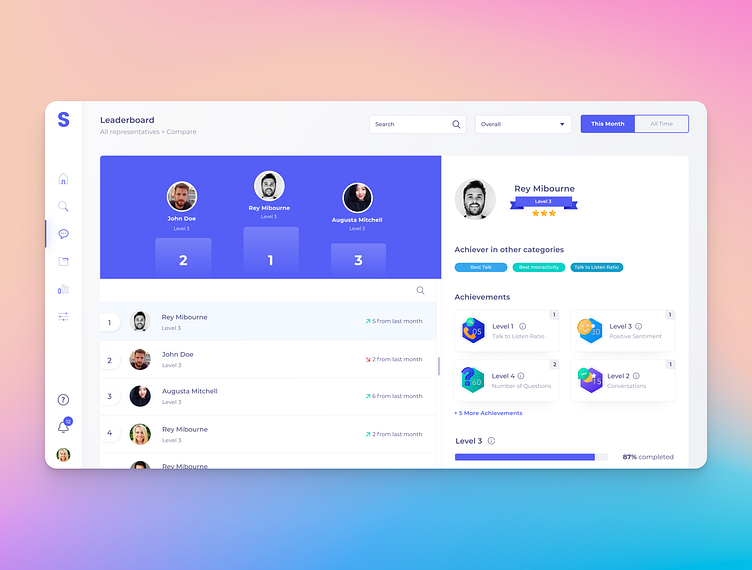
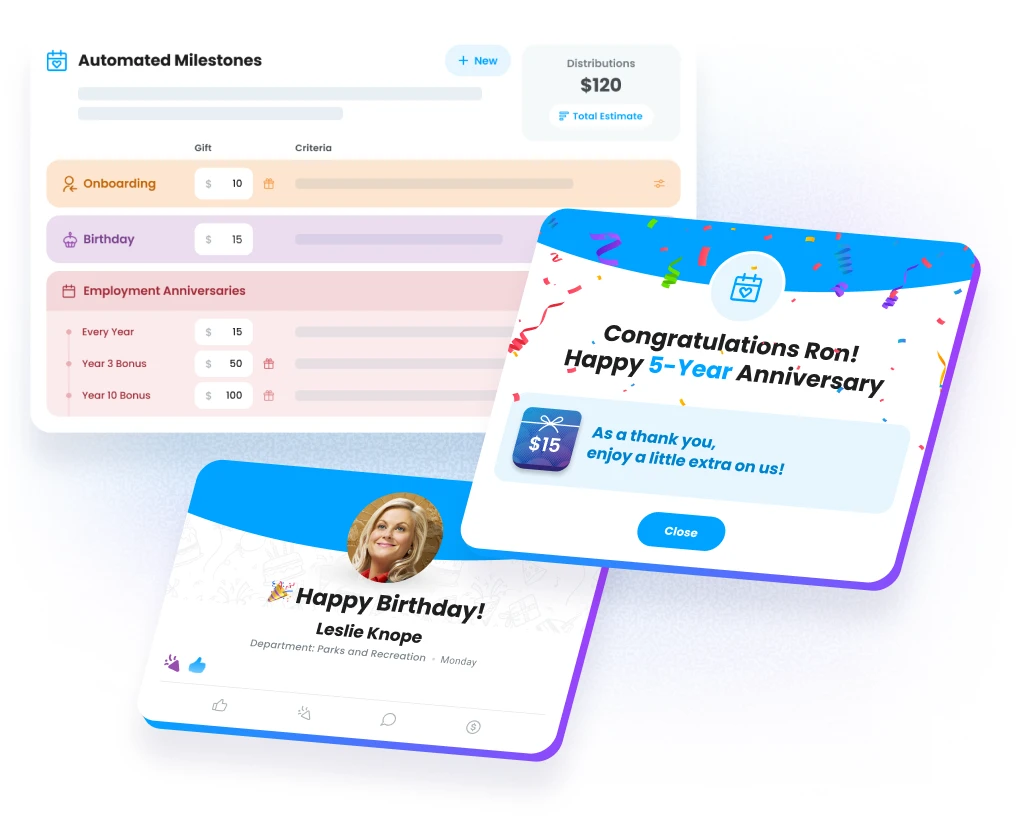

These include:
- Milestone badges
- Performance tiers
- Team leaderboards
- Public recognition in dashboards
Recognition works particularly well in collaborative or team-based SaaS products.
Why It Works for SaaS
Recognition reinforces value perception. When users feel successful inside your product, they are more likely to continue investing time in it. This improves Customer Lifetime Value (LTV) indirectly by strengthening emotional commitment.
A Practical Example
A sales enablement platform creates:
- “Pipeline Builder” badge for creating 5 deals
- Team leaderboard for most weekly activity
- Monthly recognition summary email
Top performers become internal advocates, increasing expansion potential.
Implementation Section
- Define achievements tied to valuable outcomes.
- Keep rewards symbolic, not manipulative.
- Surface recognition in visible areas of the UI.
- Avoid encouraging harmful competition.
- Track long-term retention of recognized users.
Measuring Success
- Primary Metric: Repeat Usage Rate
- Business Metric: Net Revenue Retention
- Secondary Metric: Feature Depth per Account
Recognition should validate progress, not distort priorities.
Common Gamification Mistakes to Avoid
Before implementing mechanics, avoid these pitfalls:
- Rewarding activity instead of value
- Overcomplicating the interface
- Creating artificial urgency
- Manipulating users with misleading incentives
- Adding gamification without tracking impact
Gamification without measurement is decoration.
A Strategic Framework for Product Gamification
Before launching any gamified system, answer:
- Which behaviors correlate with retention?
- What milestone represents true value?
- Where do users currently stall?
- How can progress be made visible?
- Which metric will validate impact?
Gamification should always follow this sequence:
The sequence that keeps gamification honest
Behavior → Value → Retention
If you can’t draw a straight line from the behavior to value, don’t ship the mechanic yet.
Not:
Feature → Badge → Hope
How Product Gamification Reduces Churn
Churn frequently stems from:
- Slow activation
- Invisible progress
- Lack of momentum
- Weak habit formation
Strategic gamification addresses all four by:
- Making progress explicit
- Encouraging repeated engagement
- Reinforcing milestones
- Creating forward momentum
When users can see advancement, they are more likely to continue.
From Engagement to Retention: Your Next Steps
Product gamification is not about entertainment. It is about clarity, momentum, and behavioral reinforcement.
When implemented thoughtfully, it:
- Increases Activation Rate
- Improves Feature Adoption
- Shortens Time-to-Value
- Reduces Early Churn
Your Action Plan
- Identify one activation milestone.
- Make progress toward it visible.
- Celebrate completion.
- Track impact on retention cohorts.
- Iterate based on data.
Do not add ten mechanics. Add one measurable system.
Gamification becomes powerful when it reinforces real value — and measurable growth.
Subscribe to our newsletter
The latest news, articles, and resources, sent to your inbox weekly.